Tag: Mac’s Journey

  • Signs of Struggle: Understanding Horse Fitness and Wellbeing

    Year 5 – Down to the bottom and back again – The Restart: Signs We Couldn’t Ignore

    Mac had the winter of 2022/2023 off, time to rest, grow, and hopefully come back stronger. We brought him slowly back into work in the spring of 2023, starting with plenty of roadwork and gentle hacking.

    In hindsight, he was noticeably worse, steadier, stiffer, and less forward than before. But I pushed on, thinking maybe he just needed to rebuild fitness.

    About 8 to 12 weeks after we restarted, Mac went for his first proper lesson.

    At first, he managed to canter, just about, on the right rein. He got around the arena and even pulled off a 20-metre circle, though it was hard work. On the left rein, though, the canter was barely there. Disjointed, weak, unbalanced, like he simply couldn’t get his body to do it.


    For the next few months, we returned to hacking and strength work. I was under no illusion, at five, Mac simply wasn’t ready to work consistently in the arena. So, we focused on what he could manage, and what we both enjoyed.

    We hacked out with friends, took our time, and began to rebuild confidence. Mac even competed in a TREC competition with a friend and her horse. He was brilliant with the obstacles, especially the gate, the bridge, and the rein back. Calm, clever, and focused.

    But there were still signs of discomfort. During Day 2, particularly while completing the PTV (Parcours en Terrain Varié) phase, an obstacle course designed to test control, obedience, and partnership over varied terrain, we noticed a lot of tail swishing, we were now riding in his third tree’d saddle. Something still wasn’t right.

    That weekend, I was introduced to SMART Saddles, they are treeless but look like a traditional tree’d saddle, and I brought home an ex-demo to try. It was a game changer. Mac moved better almost immediately, straighter, freer, and noticeably more comfortable. For the first time, I felt like the saddle was helping, not hindering him.

    On the first day of TREC, he did run out of energy toward the end of the 12km ride. We finished the last section mostly at walk, and our scores reflected the slower pace. Still, we came away with a very respectable second place, and a quiet sense that we were finally starting to piece the puzzle together.


    Just as I was beginning to accept that Mac might never be the pony I’d hoped for, everything changed. I met Lindsay, the founder of Equipilates® and LWR Dressage & Equitation Science Training, a brilliant dressage trainer and coach who uses Pilates-based techniques to help riders become more balanced, aware, and effective in the saddle.

    It was the beginning of something completely different, not just for Mac, but for me too. Lindsay didn’t see a difficult pony. She saw a body that was struggling, and a rider who wanted to help. Her approach, insight, and empathy opened a door that changed everything for us……………………….
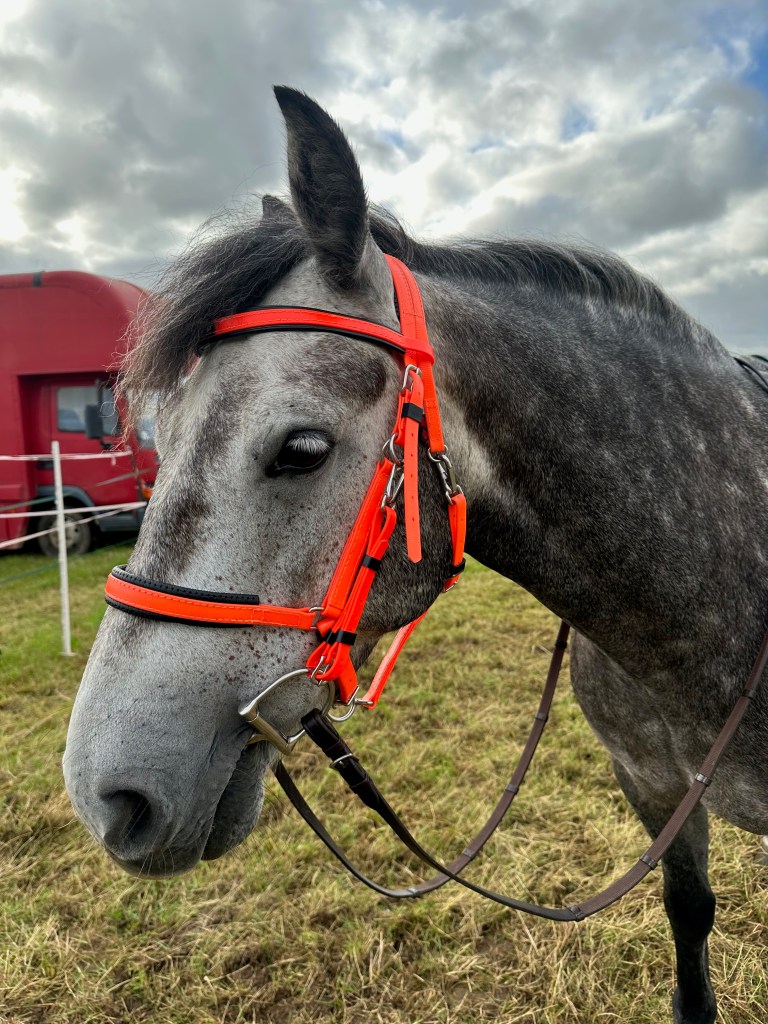
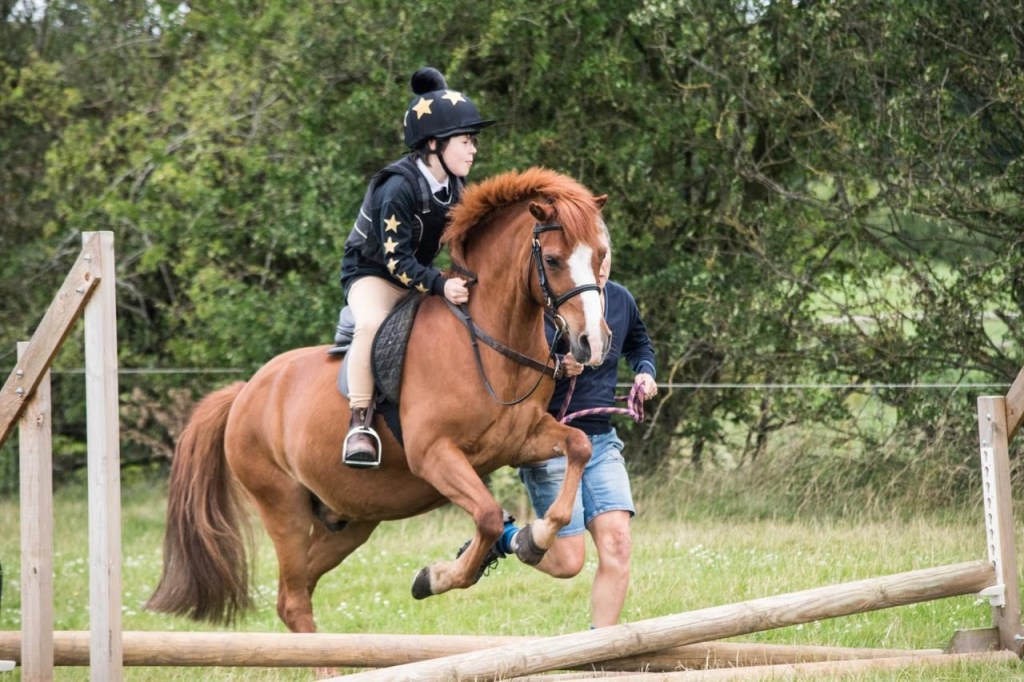
    mac in his trec gear
  • Mac the early years

    Bringing Mac Home
    After the search that began during lockdown and led us to a small, reputable Connemara stud in Oxfordshire we met the pony who would change everything. Mac was a two-year-old colt: well-bred, well-handled, and already showing the kind temperament and curious spirit we were looking for. He was bold but gentle, moved beautifully, and followed us around the field from the very first visit. We brought him home full of hope and excitement for the years ahead, a once-in-a-lifetime pony for both me and my son.


    Mac was naturally curious and kind. He was one of those ponies who always wanted to be with you in the field, interested in everything that was going on. Even at that age, he had a special presence, the kind that makes you feel lucky every time you see them.

    Growing Up – Bright but Itchy


    Before we ever sat on him, there were little signs that something wasn’t quite right. He was itchy, really itchy. I remember wondering whether he might develop sweet itch. His tail was a constant target, and no matter what I did, I couldn’t get him to stop rubbing it. I tried countless herbal remedies and treatments. Some helped to a point, but the itch was always just beneath the surface. And he lay down all the time!

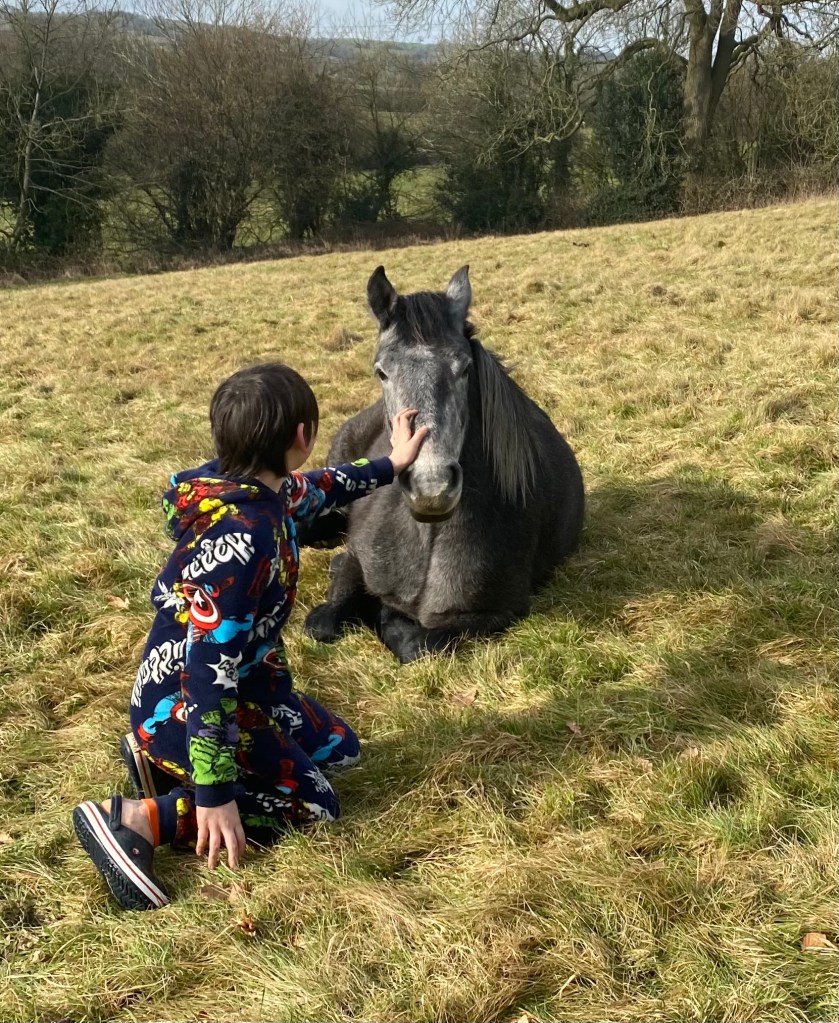
    Mac and Bill winter 2020


    We took our time with him, no pressure, just letting him grow and settle. But quietly, in the background, there was always this sense that something didn’t quite add up.

    The Change After Backing


    When it came time to back Mac, we kept everything slow and quiet. He accepted the process willingly. There were no explosions or arguments, he simply allowed it. But something had changed.


    Where he had once been bright and alert from the ground, under saddle he became dull. Not resistant, not reactive, just flat. Uninterested. That spark of curiosity we’d known so well seemed to disappear the moment we sat on him.


    He wasn’t sensitive to the leg or saddle. In fact, he felt the opposite, disconnected. Almost as though riding didn’t register as something important to him.

    Strength Work That Didn’t Work


    We started hacking him out gently, building up with long hill walks, and we have plenty of hills around here. Mac was excellent in traffic, barely even noticing the lorries or cars on our busy main road. It was the one time he seemed more like his old self, alert and forward, as long as it was flat! Ears pricked, taking it all in.


    But as the summer wore on, it became clear something was wrong.


    No matter how much steady fitness work we did, no matter how many hills we climbed, Mac didn’t get fitter. He stayed sluggish, and he never really developed strength or stamina the way a young, healthy pony should.


    So, in late autumn, we turned him away for a long winter rest, thinking perhaps time and a break would help………………..

    .

  • The Search Begins


    How a cancelled dream trip led us to the pony of a lifetime

    It was 2020, and Covid had hit us all. Like many, we found ourselves suddenly grounded, with plans changed and horizons narrowed. My mum had passed away, and she’d left me a small amount of money. We’d used part of it to book a trip of a lifetime to Costa Rica for my 50th birthday, something special for the whole family. Of course, that trip was cancelled, and the deposit was refunded.

    At the time, we were borrowing a pony called Dude. My son Bill adored him, but we knew that before long, he’d need his own pony. That’s when the idea was born: we could buy a youngster now and bring it on ourselves.

    I’d done it before, in my late teens, a lovely four-year-old Irish Sports Horse that turned out to be a real success. But this time would be different. This would be our first time purchasing a truly young pony, and we knew it needed to be the right one.


    Searching in Lockdown

    It was lockdown, and pony prices were sky high. I even considered heading to Ireland to buy from the Clifden auctions, just to find something suitable within budget. I contacted a reputable Irish stud and mentioned what we could afford. The answer was sharp:

    “You’d be lucky to get a yearling out of Ireland at that price.”

    Still determined, I remembered a lovely lady I’d spoken to earlier in the year, Emma at a Connemara stud in Oxfordshire. When we first spoke, I’d thought her youngsters were out of our reach, price-wise. But the more I searched, the more I realised: I wanted to buy from Emma.

    There was something about that first conversation, calm, knowledgeable, and entirely genuine. I trusted her. And as a newbie to buying a two-year-old, I needed someone like that to help guide the decision.


    The Visit That Changed Everything

    We arranged a visit, and I brought along an old friend, Pip, a lifelong horsewoman and far better placed than me to judge a youngster.

    We arrived at the stud and were lucky enough to meet the whole crew, the year’s new foals, their beautiful new stallion Glencarrig Tempest, and a field full of striking two- and three-year-olds.

    And then he appeared.

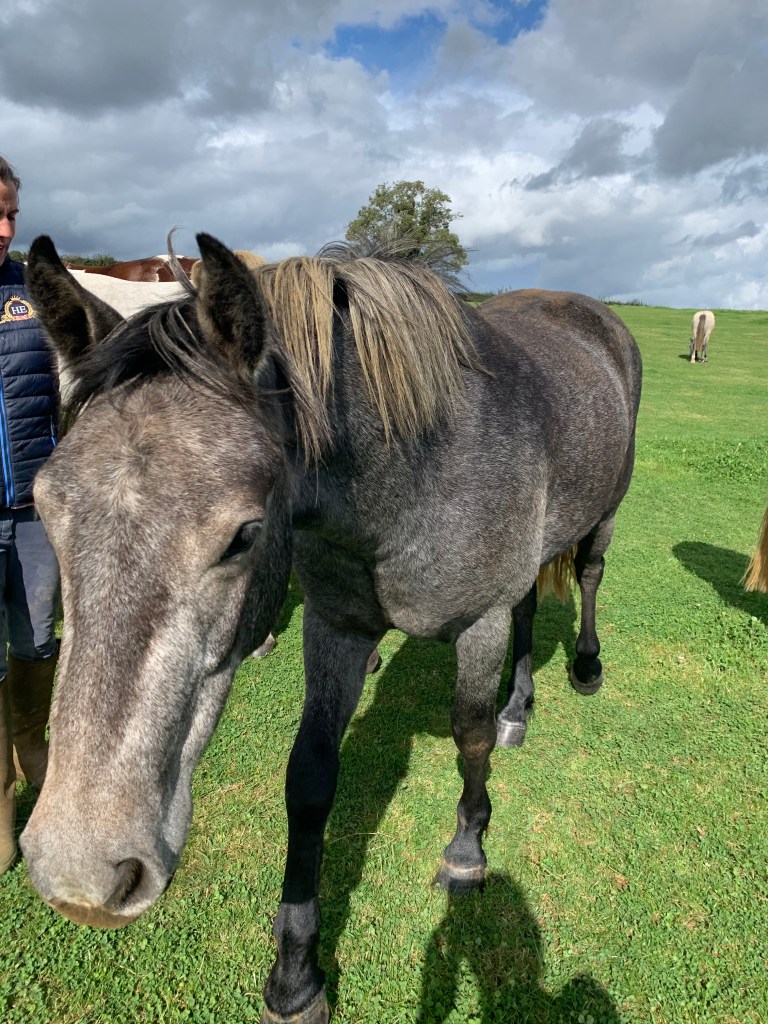
    Our first meeting at the stud

    There was something about this dark grey colt, bold but gentle, moving with lovely rhythm and expression. Inquisitive from the start, he followed us around the field that day, and earned his first nickname:

    “Labrador.”


    The Choice Was Clear

    We shortlisted him and a Connemara-cross filly to bring in for a closer look. While the mare towed Emma along on a tight lead rope, this quiet grey colt walked beside me like he already belonged.

    That was it. The decision made itself.

    We arranged a vetting, scraped together what we could, and had a bit of a family whip-round. To this day, we joke that both my dad and mother-in-law owned a leg each!

    And so, Mac came home.


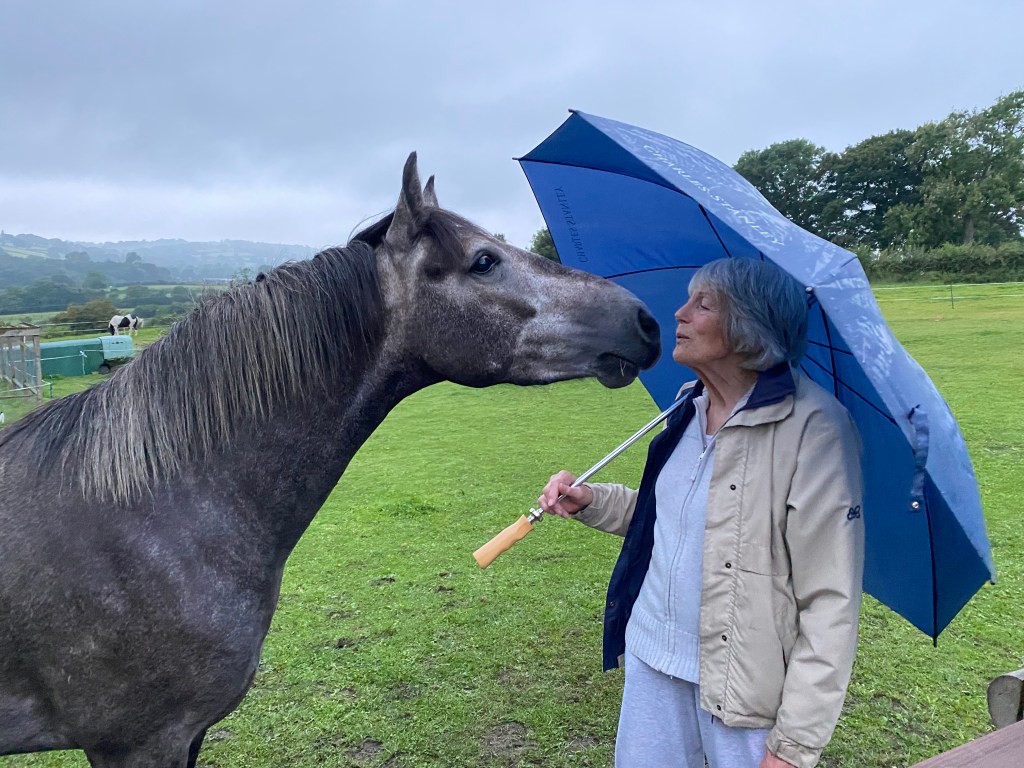
    Chatting to grannie and his first introduction to an umbrella – I think he was quite keen to investigate if it was edible